Choose one script first
Start with either Traditional Chinese (ZHT) or Simplified Chinese (ZHS) for active study. Use the other script as a comparison layer rather than trying to memorize both forms at once.

Gathering every Traditional & Simplified Chinese MTG Cards
Curated CTG data collection
Use real Traditional and Simplified Chinese Magic cards to learn characters, compare scripts, recognize recurring vocabulary and build a practical card-reading routine.
A Magic card gives you a small, repeatable piece of Chinese: a name, a type line, short rules sentences, numbers and recurring game vocabulary. Because the same card can exist in English, Traditional Chinese and Simplified Chinese, you can compare meaning without studying from an isolated word list.
Start with either Traditional Chinese (ZHT) or Simplified Chinese (ZHS) for active study. Use the other script as a comparison layer rather than trying to memorize both forms at once.
Card names make memorable anchors. Recognize a few high-frequency characters, then notice them again across names, creature types and rules text.
Read the Chinese name first, then the type line, then one rules sentence. Finally compare with the English Oracle text to confirm meaning.
Every example below is a verified bilingual pair from the CTG database: the Traditional Chinese and Simplified Chinese cards come from the same set and use the same collector number. Traditional Chinese (ZHT) is the primary learning version, while ZHS is kept as a direct script comparison of the matching printing.
Character glosses follow the current site language through WPML; Chinese characters and pinyin stay unchanged.
The word below each character is a short learning gloss, not always a complete translation of the card name. “Phonetic” means the character is mainly used for the sound of a proper name. When a character is not yet documented in the lesson lexicon, the guide says so explicitly instead of using the vague label “context-dependent”.
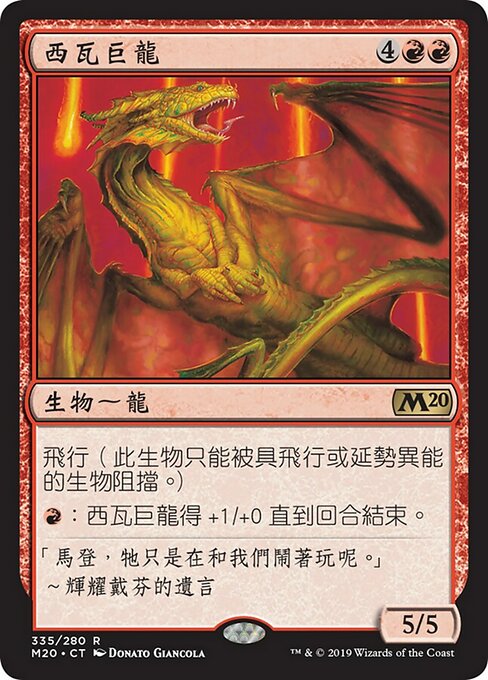
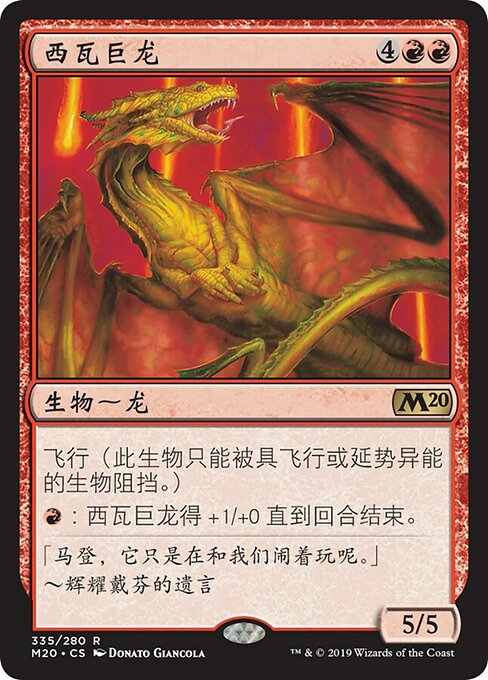
The proper name is transliterated phonetically, while the final characters carry the descriptive Dragon meaning.
飛行(此生物只能被具飛行或延勢異能的生物阻擋。)
{R}:西瓦巨龍得+1/+0直到回合結束。
Flying
{R}: This creature gets +1/+0 until end of turn.
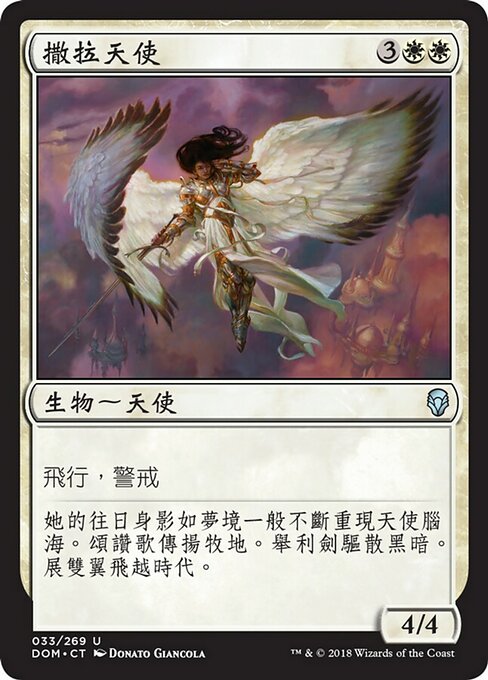
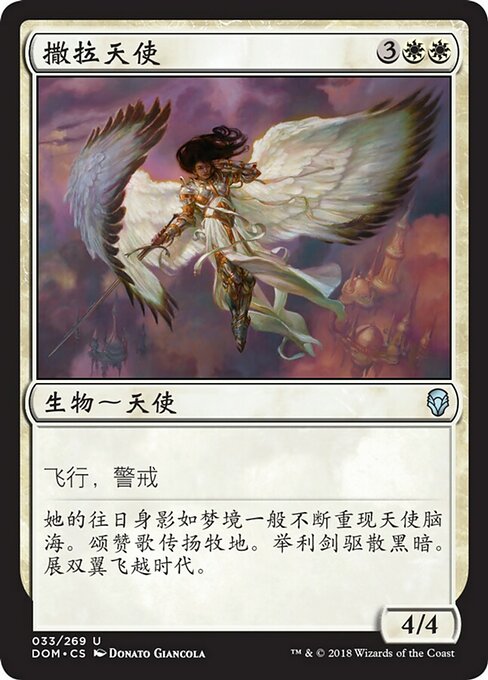
The proper name is transliterated phonetically; the final two characters form the normal Chinese word for angel.
飛行,警戒
Flying
Vigilance (Attacking doesn't cause this creature to tap.)
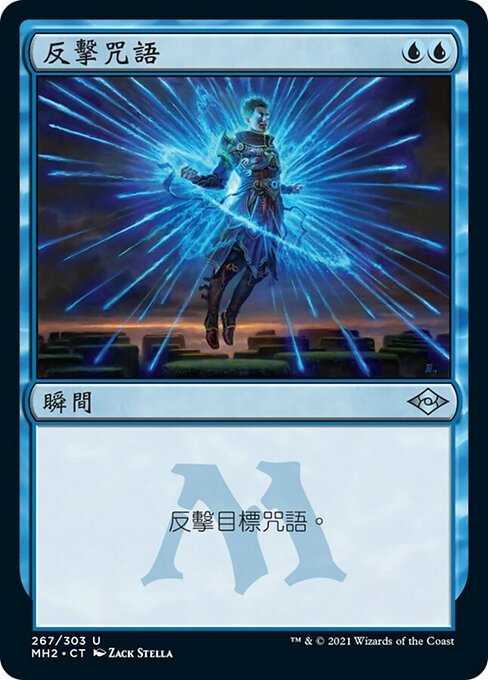
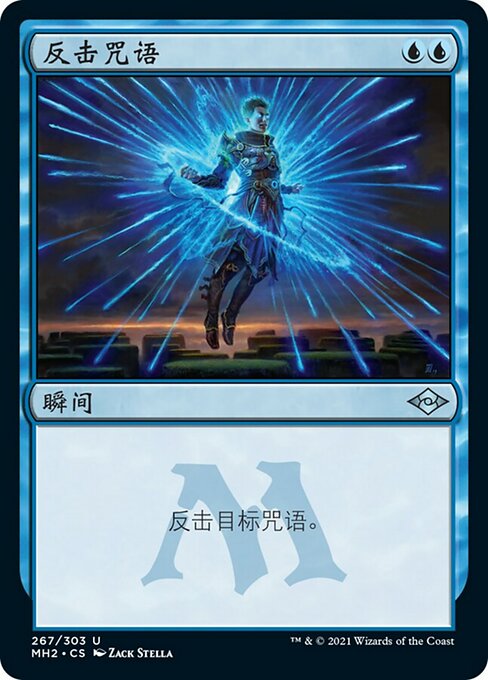
This name is useful for recognizing recurring Magic vocabulary related to countering and spells.
反擊目標咒語。
Counter target spell.
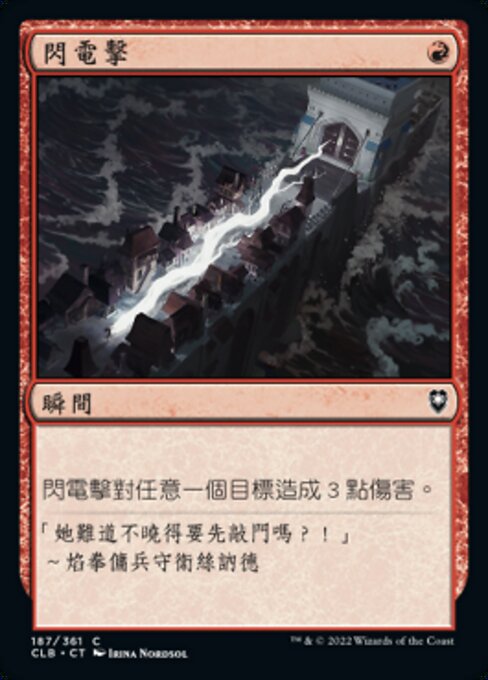
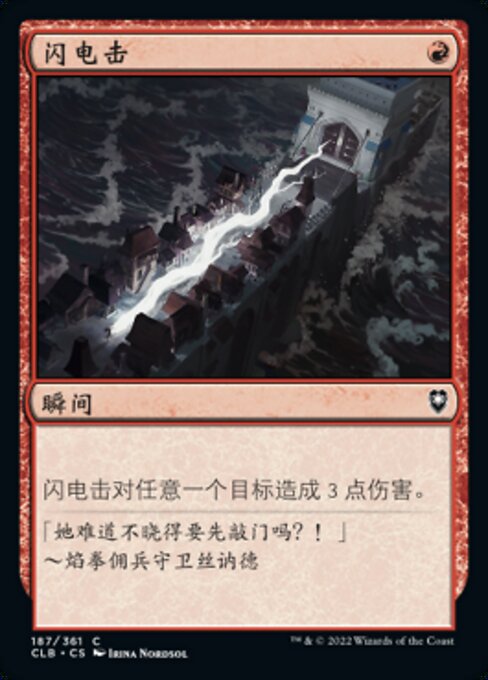
Look for characters associated with lightning, electricity, striking or a bolt-like projectile.
閃電擊對任意一個目標造成3點傷害。
Lightning Bolt deals 3 damage to any target.
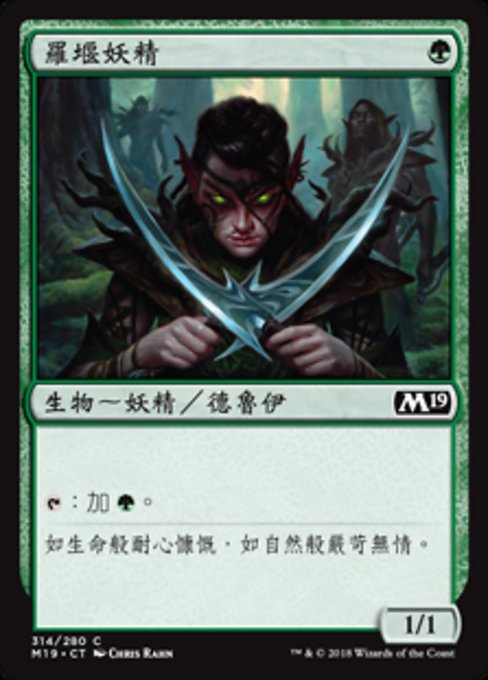
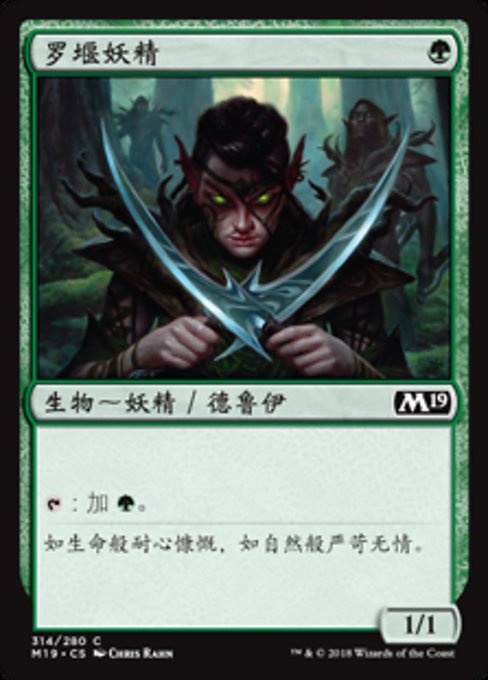
The proper name is largely phonetic, while the final characters identify the creature concept.
{T}:加{G}。
{T}: Add {G}.
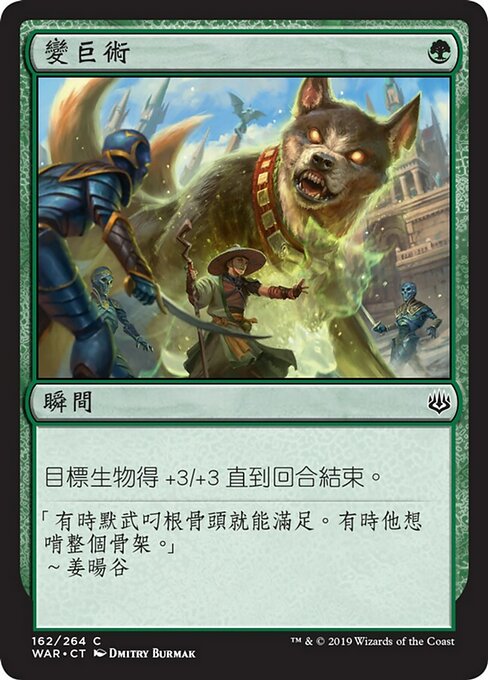
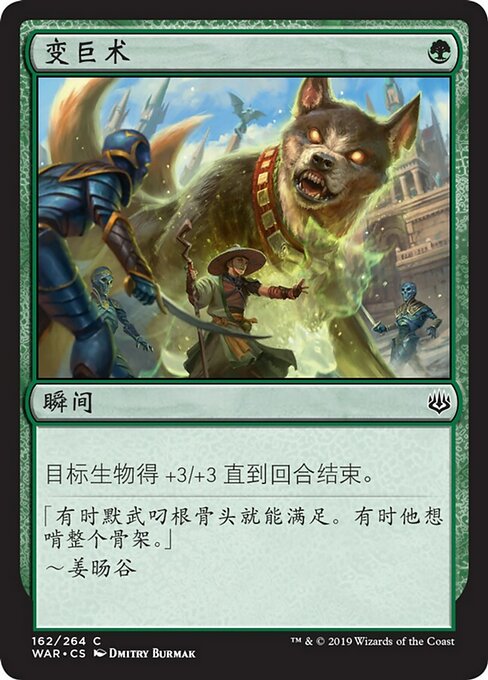
The name combines ideas of size, strength or growth, making it useful for repeated vocabulary recognition.
目標生物得+3/+3直到回合結束。
Target creature gets +3/+3 until end of turn.
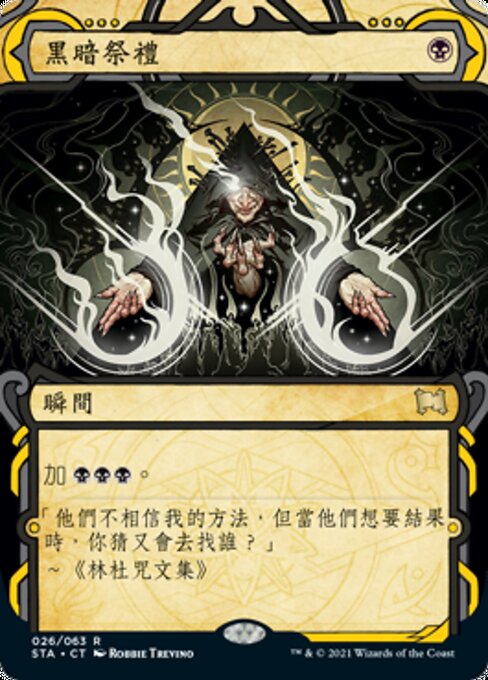
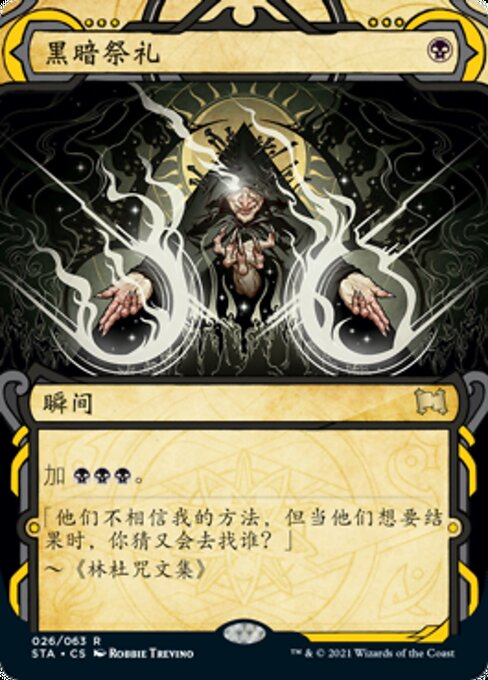
The name combines darkness with ritual or ceremonial vocabulary.
加{B}{B}{B}。
Add {B}{B}{B}.
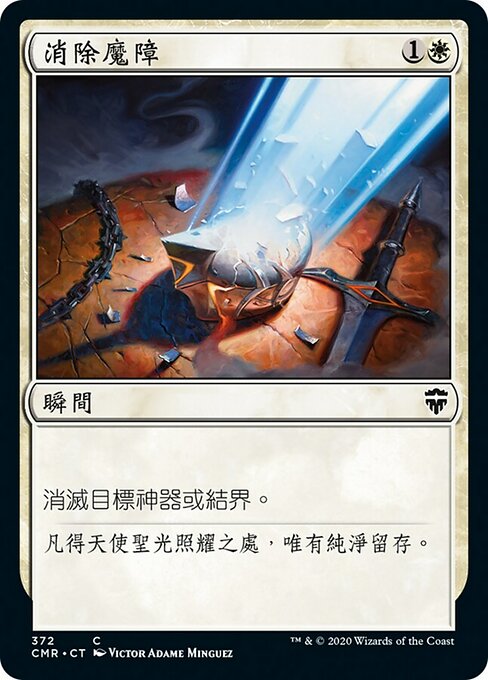
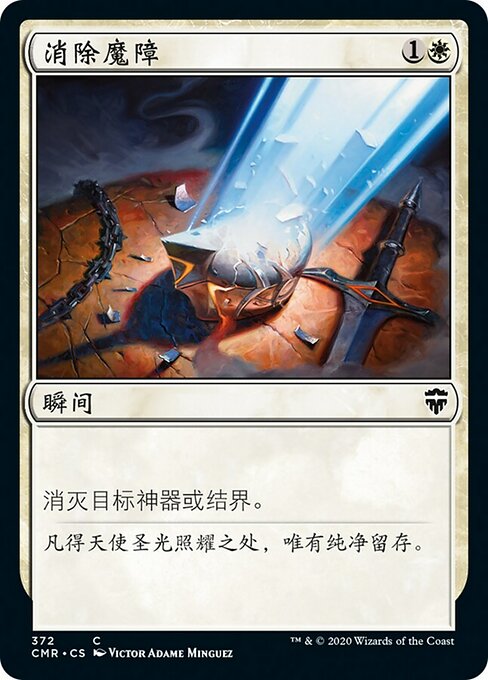
The name uses vocabulary associated with dispelling, removing or undoing magic.
消滅目標神器或結界。
Destroy target artifact or enchantment.
Find the same card in ZHT and ZHS. Which characters changed form, and which parts stayed visually similar?
Choose a creature card. Read only its Chinese name and type line, then predict the English card type before checking.
Use the Chinese Name Explorer to search one character you learned and collect three new card examples containing it.
Magic cards are excellent for recognition, specialist vocabulary and repeated reading practice, but they are not a substitute for pronunciation training, listening practice, everyday grammar or conversation. Use them as a motivating reading layer alongside a broader Chinese course.