
Chinese Card Identity Explorer
Outpost Siege — 围攻哨站 / 圍攻哨站
Exists in both scripts
Explore Outpost Siege in Chinese across 8 printings and 4 sets, with Traditional and Simplified Chinese versions, card text, artwork and release details.
- 8Total Chinese printings
- 4ZHTTraditional Chinese
- 4ZHSSimplified Chinese
- 4Sets
- 4Sets in both scripts
- 2015–2022Chinese history
Card overview
- Mana cost
- {3}{R}
- Card type
- Enchantment
- Latest rarity
- Rare
- Artists
- Daarken
Oracle text
As this enchantment enters, choose Khans or Dragons.
• Khans — At the beginning of your upkeep, exile the top card of your library. Until end of turn, you may play that card.
• Dragons — Whenever a creature you control leaves the battlefield, this enchantment deals 1 damage to any target.
Chinese printing milestones
These milestones are calculated from the Chinese printings currently recorded in the CTG database.
ZHT
圍攻哨站
ZHS
围攻哨站
Chinese names and language variants
The same Magic card may have different printed names or wording between Traditional and Simplified Chinese editions. The versions below preserve the name and text printed on each physical card.
Traditional Chinese
圍攻哨站
Simplified Chinese
围攻哨站
Traditional Chinese name history
- 圍攻哨站 Fate Reforged (FRF)
1 distinct printed name(s) · 2 distinct printed-text version(s)
Simplified Chinese name history
- 围攻哨站 Fate Reforged (FRF)
1 distinct printed name(s) · 2 distinct printed-text version(s)
Traditional vs Simplified Chinese
Compare matching Chinese printings by set and collector number. Missing cells indicate that the corresponding printing is not currently recorded in the database.
Fate Reforged
FRF · #110
圍攻哨站
View printing
Printed text
於圍攻哨站進戰場時,選擇可汗或龍王。
• 可汗~在你的維持開始時,放逐你的牌庫頂牌。直到回合結束,你可以使用該牌。
• 龍王~每當一個由你操控的生物離開戰場時,圍攻哨站對目標生物或玩家造成1點傷害。
围攻哨站
View printing
Printed text
于围攻哨站进战场时,选择可汗或龙王。
● 可汗~在你的维持开始时,放逐你的牌库顶牌。直到回合结束,你可以使用该牌。
● 龙王~每当一个由你操控的生物离开战场时,围攻哨站对目标生物或牌手造成1点伤害。
Forgotten Realms Commander
AFC · #135
圍攻哨站
View printing
Printed text
於圍攻哨站進戰場時,選擇可汗或龍王。
• 可汗~在你的維持開始時,放逐你的牌庫頂牌。直到回合結束,你可以使用該牌。
•龍王~每當一個由你操控的生物離開戰場時,圍攻哨站對任意一個目標造成1點傷害。
围攻哨站
View printing
Printed text
于围攻哨站进战场时,选择可汗或龙王。
•可汗~在你的维持开始时,放逐你的牌库顶牌。直到回合结束,你可以使用该牌。
•龙王~每当一个由你操控的生物离开战场时,围攻哨站对任意一个目标造成1点伤害。
New Capenna Commander
NCC · #272
圍攻哨站
View printing
Printed text
於圍攻哨站進戰場時,選擇可汗或龍王。
• 可汗~在你的維持開始時,放逐你的牌庫頂牌。直到回合結束,你可以使用該牌。
•龍王~每當一個由你操控的生物離開戰場時,圍攻哨站對任意一個目標造成1點傷害。
围攻哨站
View printing
Printed text
于围攻哨站进战场时,选择可汗或龙王。
•可汗~在你的维持开始时,放逐你的牌库顶牌。直到回合结束,你可以使用该牌。
•龙王~每当一个由你操控的生物离开战场时,围攻哨站对任意一个目标造成1点伤害。
Commander Legends: Battle for Baldur's Gate
CLB · #804
圍攻哨站
View printing
Printed text
於圍攻哨站進戰場時,選擇可汗或龍王。
• 可汗~在你的維持開始時,放逐你的牌庫頂牌。直到回合結束,你可以使用該牌。
•龍王~每當一個由你操控的生物離開戰場時,圍攻哨站對任意一個目標造成1點傷害。
围攻哨站
View printing
Printed text
于围攻哨站进战场时,选择可汗或龙王。
•可汗~在你的维持开始时,放逐你的牌库顶牌。直到回合结束,你可以使用该牌。
•龙王~每当一个由你操控的生物离开战场时,围攻哨站对任意一个目标造成1点伤害。
Chinese printing timeline
A compact chronological view of every Traditional and Simplified Chinese printing recorded for this card identity.
Sets featuring this card in Chinese
Fate Reforged
FRF
ZHT ZHS 2 printing(s)
View all printings from this set →
Forgotten Realms Commander
AFC
ZHT ZHS 2 printing(s)
View all printings from this set →
New Capenna Commander
NCC
ZHT ZHS 2 printing(s)
View all printings from this set →
Commander Legends: Battle for Baldur's Gate
CLB
ZHT ZHS 2 printing(s)
View all printings from this set →
All Chinese printings
Simplified Chinese
围攻哨站
Outpost Siege
- Collector number
- 804
- Rarity
- Rare
- Released
Traditional Chinese
圍攻哨站
Outpost Siege
- Collector number
- 804
- Rarity
- Rare
- Released
Simplified Chinese
围攻哨站
Outpost Siege
- Collector number
- 272
- Rarity
- Rare
- Released
Traditional Chinese
圍攻哨站
Outpost Siege
- Collector number
- 272
- Rarity
- Rare
- Released
Simplified Chinese
围攻哨站
Outpost Siege
- Collector number
- 135
- Rarity
- Rare
- Artist
- Daarken
- Released
Traditional Chinese
圍攻哨站
Outpost Siege
- Collector number
- 135
- Rarity
- Rare
- Artist
- Daarken
- Released
Simplified Chinese
围攻哨站
Outpost Siege
- Collector number
- 110
- Rarity
- Rare
- Released
Traditional Chinese
圍攻哨站
Outpost Siege
- Collector number
- 110
- Rarity
- Rare
- Released
Other cards with this Chinese name or character
Exact printed-name matches are shown first, followed by other Chinese card identities sharing characters with this card’s recorded Chinese names.
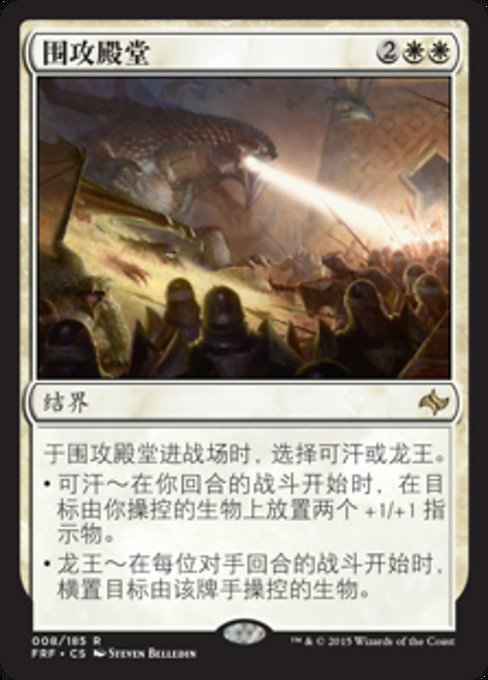 Shared character: 围
Citadel Siege
圍攻殿堂
Shared character: 围
Citadel Siege
圍攻殿堂
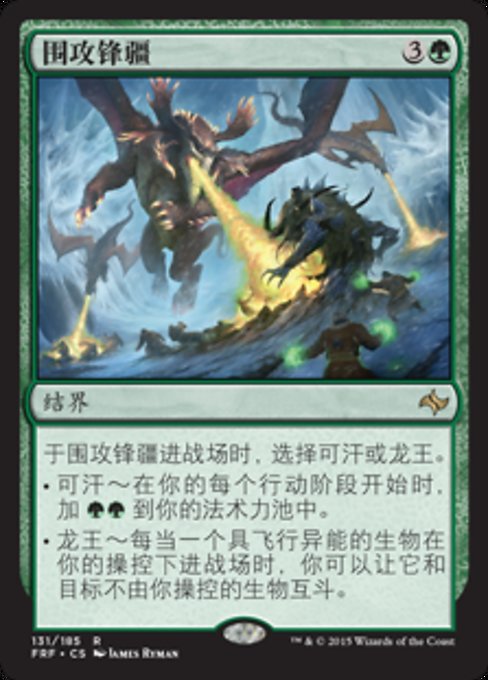 Shared character: 围
Frontier Siege
圍攻鋒疆
Shared character: 围
Frontier Siege
圍攻鋒疆
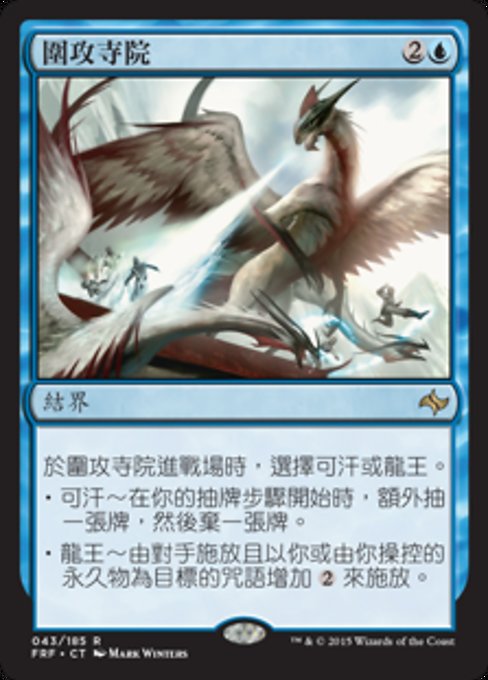 Shared character: 围
Monastery Siege
圍攻寺院
Shared character: 围
Monastery Siege
圍攻寺院
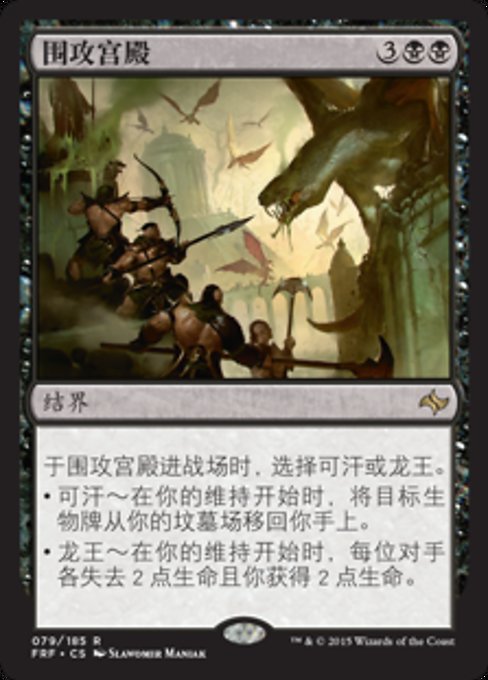 Shared character: 围
Palace Siege
圍攻宮殿
Shared character: 围
Palace Siege
圍攻宮殿
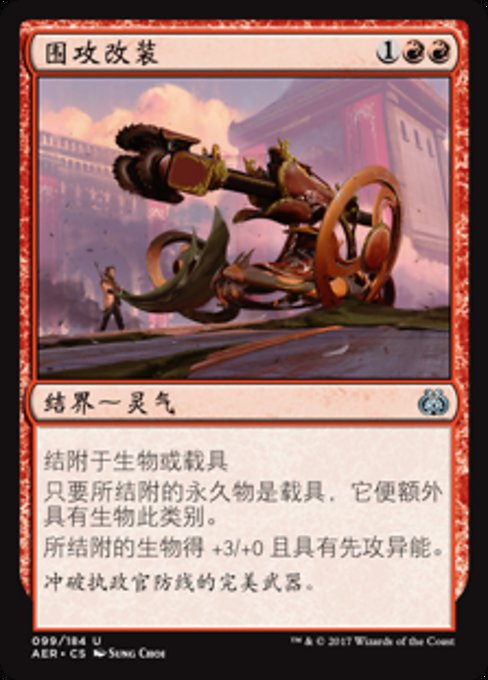 Shared character: 围
Siege Modification
圍攻改裝
Shared character: 围
Siege Modification
圍攻改裝
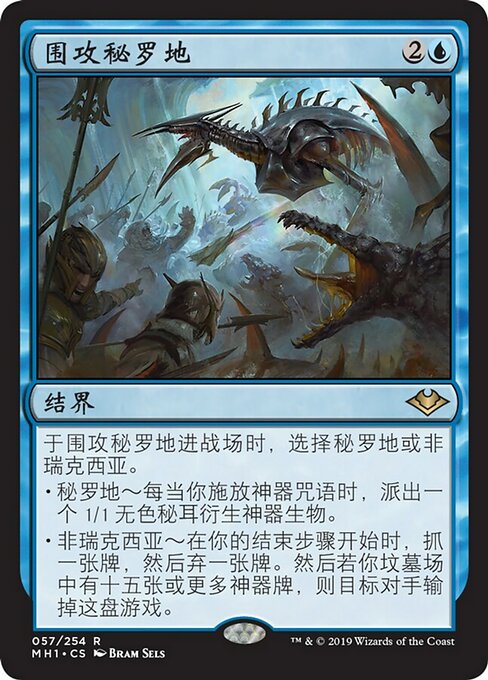 Shared character: 围
Mirrodin Besieged
圍攻秘羅地
Shared character: 围
Mirrodin Besieged
圍攻秘羅地
 Shared character: 哨
Abandoned Outpost
荒废哨站
Shared character: 哨
Abandoned Outpost
荒废哨站
 Shared character: 哨
Cloudpost
云际哨站
Shared character: 哨
Cloudpost
云际哨站
 Shared character: 哨
Glimmerpost
爍野哨站
Shared character: 哨
Glimmerpost
爍野哨站
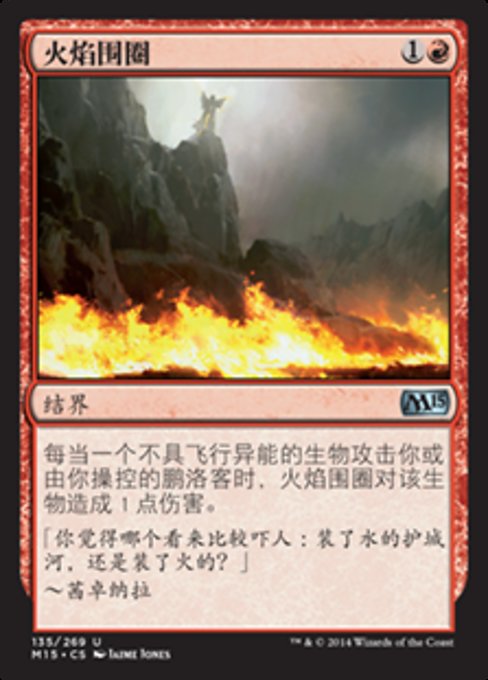 Shared character: 围
Circle of Flame
火焰圍圈
Shared character: 围
Circle of Flame
火焰圍圈
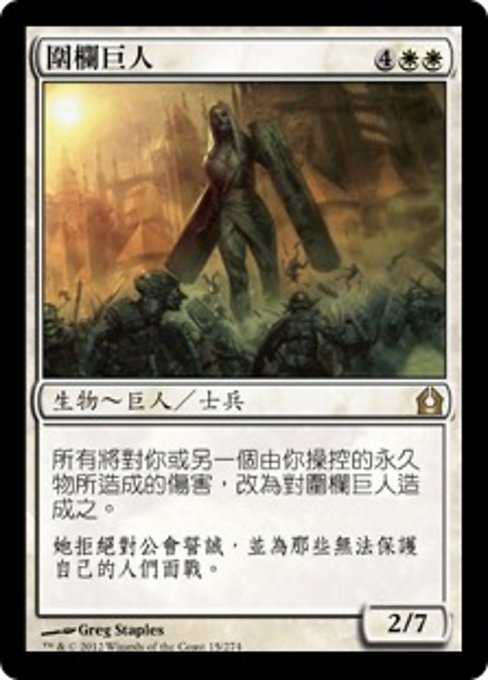 Shared character: 围
Palisade Giant
圍欄巨人
Shared character: 围
Palisade Giant
圍欄巨人
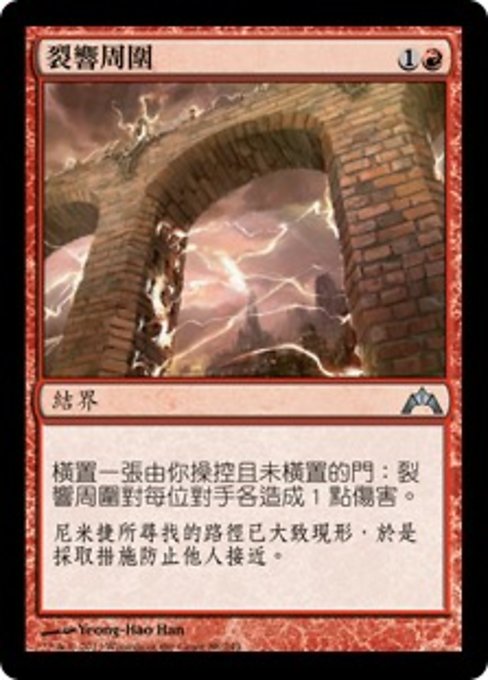 Shared character: 围
Crackling Perimeter
裂響周圍
Shared character: 围
Crackling Perimeter
裂響周圍
 Faceless One
 Abdel Adrian, Gorion's Ward
 Ancient Gold Dragon
 Archivist of Oghma
 Ascend from Avernus
 Astral Confrontation
 Bane's Invoker
 Banishment