
Chinese Card Identity Explorer
Unmake — 归返空无
Explore Unmake in Chinese across 1 printings and 1 sets, with Traditional and Simplified Chinese versions, card text, artwork and release details.
- 1Total Chinese printings
- 0ZHTTraditional Chinese
- 1ZHSSimplified Chinese
- 1Sets
- 2008Chinese history
Card overview
- Mana cost
- {W/B}{W/B}{W/B}
- Card type
- Instant
- Latest rarity
- Common
Oracle text
Exile target creature.
Flavor text
浮华魔镜是山妪最爱用的陷阱。 施过咒的镜子能禁锢观者的灵魂、消解其肉体。
Chinese printing milestones
These milestones are calculated from the Chinese printings currently recorded in the CTG database.
ZHT
—
ZHS
归返空无
Chinese names and language variants
The same Magic card may have different printed names or wording between Traditional and Simplified Chinese editions. The versions below preserve the name and text printed on each physical card.
Traditional Chinese
No Traditional Chinese printed name recorded.
Simplified Chinese
归返空无
Traditional Chinese name history
No printed-name history recorded for this script.
Simplified Chinese name history
- 归返空无 Eventide (EVE)
1 distinct printed name(s) · 1 distinct printed-text version(s)
Traditional vs Simplified Chinese
Compare matching Chinese printings by set and collector number. Missing cells indicate that the corresponding printing is not currently recorded in the database.
Eventide
EVE · #96
Not recorded
Chinese printing timeline
A compact chronological view of every Traditional and Simplified Chinese printing recorded for this card identity.
Sets featuring this card in Chinese
All Chinese printings
Other cards with this Chinese name or character
Exact printed-name matches are shown first, followed by other Chinese card identities sharing characters with this card’s recorded Chinese names.
 Shared character: 无
Door to Nothingness
空無之門
Shared character: 无
Door to Nothingness
空無之門
 Shared character: 归
Back to Nature
歸返自然
Shared character: 归
Back to Nature
歸返自然
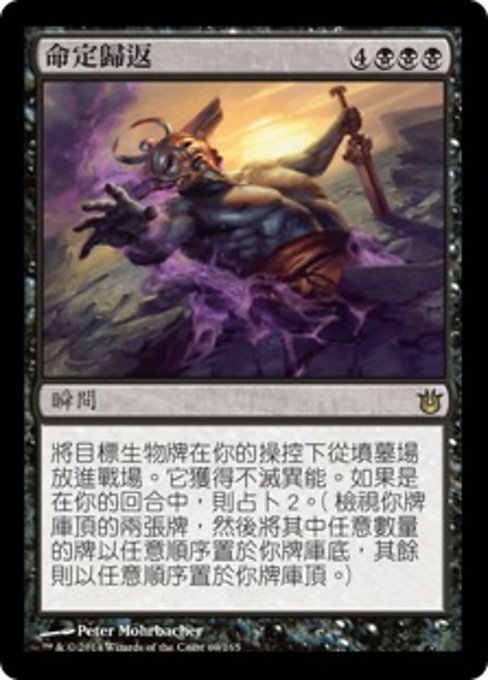 Shared character: 归
Fated Return
命定歸返
Shared character: 归
Fated Return
命定歸返
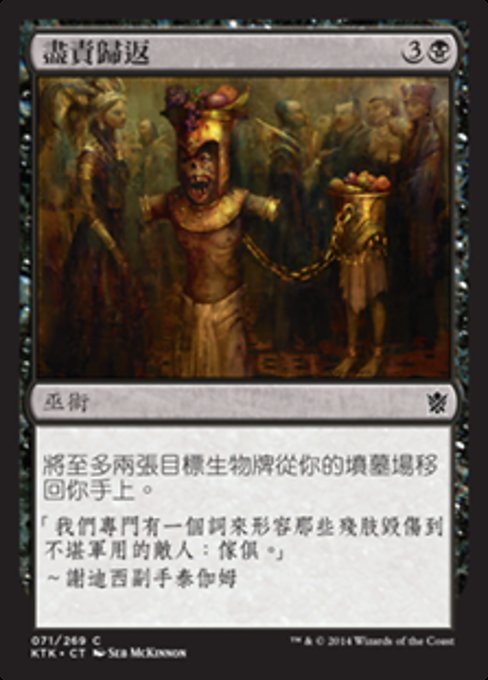 Shared character: 归
Dutiful Return
盡責歸返
Shared character: 归
Dutiful Return
盡責歸返
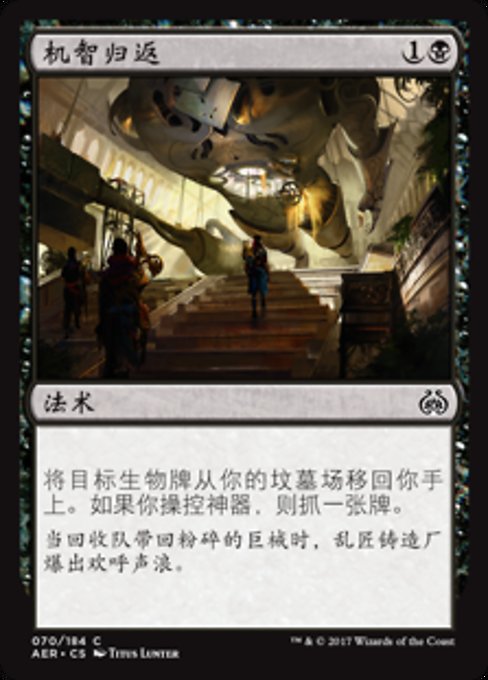 Shared character: 归
Resourceful Return
機智歸返
Shared character: 归
Resourceful Return
機智歸返
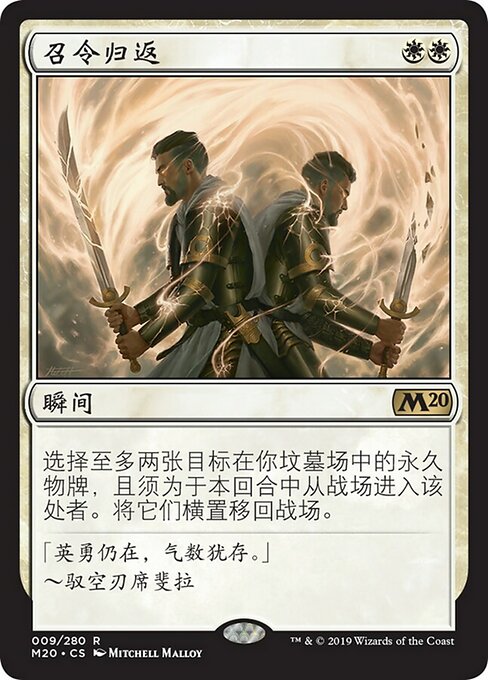 Shared character: 归
Brought Back
召令歸返
Shared character: 归
Brought Back
召令歸返
 Shared character: 归
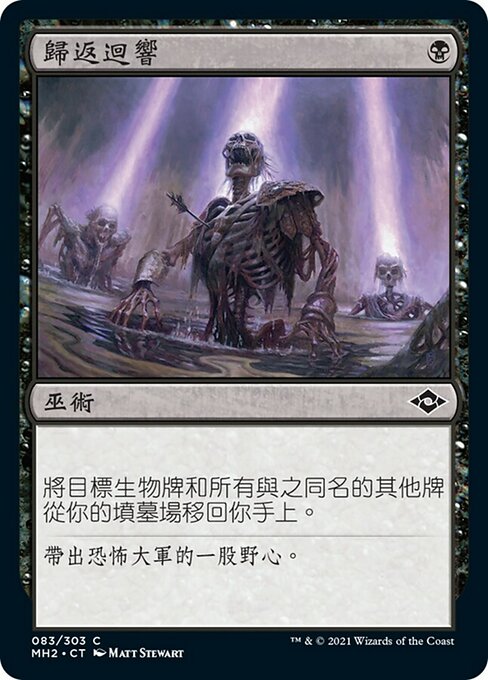
Echoing Return
歸返迴響
Shared character: 归
Echoing Return
歸返迴響
 Shared character: 归
Ashes to Ashes
土归土
Shared character: 归
Ashes to Ashes
土归土
 Shared character: 空
Flight
舞空術
Shared character: 空
Flight
舞空術
 Shared character: 空
Time Elemental
时空元素
Shared character: 空
Time Elemental
时空元素
 Shared character: 空
Chronatog
时空阿托格
Shared character: 空
Chronatog
时空阿托格
 Shared character: 无
Relentless Assault
无情的突袭
Shared character: 无
Relentless Assault
无情的突袭
 Archon of Justice
 Ballynock Trapper
 Cenn's Enlistment
 Endless Horizons
 Endure
 Flickerwisp
 Hallowed Burial
 Kithkin Spellduster