
Chinese Card Identity Explorer
Trip Noose — 绊索绳套
Explore Trip Noose in Chinese across 1 printings and 1 sets, with Traditional and Simplified Chinese versions, card text, artwork and release details.
- 1Total Chinese printings
- 0ZHTTraditional Chinese
- 1ZHSSimplified Chinese
- 1Sets
- 2008Chinese history
Card overview
- Mana cost
- {2}
- Card type
- Artifact
- Latest rarity
- Uncommon
Oracle text
{2}, {T}: Tap target creature.
Flavor text
拉紧的活结起动机制,是你与站姿之间唯一的障碍。
Chinese printing milestones
These milestones are calculated from the Chinese printings currently recorded in the CTG database.
ZHT
—
ZHS
绊索绳套
Chinese names and language variants
The same Magic card may have different printed names or wording between Traditional and Simplified Chinese editions. The versions below preserve the name and text printed on each physical card.
Traditional Chinese
No Traditional Chinese printed name recorded.
Simplified Chinese
绊索绳套
Traditional Chinese name history
No printed-name history recorded for this script.
Simplified Chinese name history
- 绊索绳套 Shadowmoor (SHM)
1 distinct printed name(s) · 1 distinct printed-text version(s)
Traditional vs Simplified Chinese
Compare matching Chinese printings by set and collector number. Missing cells indicate that the corresponding printing is not currently recorded in the database.
Shadowmoor
SHM · #266
Not recorded
Chinese printing timeline
A compact chronological view of every Traditional and Simplified Chinese printing recorded for this card identity.
Sets featuring this card in Chinese
All Chinese printings
Simplified Chinese
绊索绳套
Trip Noose
- Collector number
- 266
- Rarity
- Uncommon
- Released
神器
Other cards with this Chinese name or character
Exact printed-name matches are shown first, followed by other Chinese card identities sharing characters with this card’s recorded Chinese names.
 Shared character: 索
Trip Wire
绊马索
Shared character: 索
Trip Wire
绊马索
 Shared character: 索
Cyclopean Snare
巨型绊索
Shared character: 索
Cyclopean Snare
巨型绊索
 Shared character: 索
Eternity Snare
恒久绊索
Shared character: 索
Eternity Snare
恒久绊索
 Shared character: 索
Cliff Threader
绳索攀崖人
Shared character: 索
Cliff Threader
绳索攀崖人
 Shared character: 索
Marsh Threader
绳索渡沼人
Shared character: 索
Marsh Threader
绳索渡沼人
 Shared character: 套
Vapor Snare
蒸汽套索
Shared character: 套
Vapor Snare
蒸汽套索
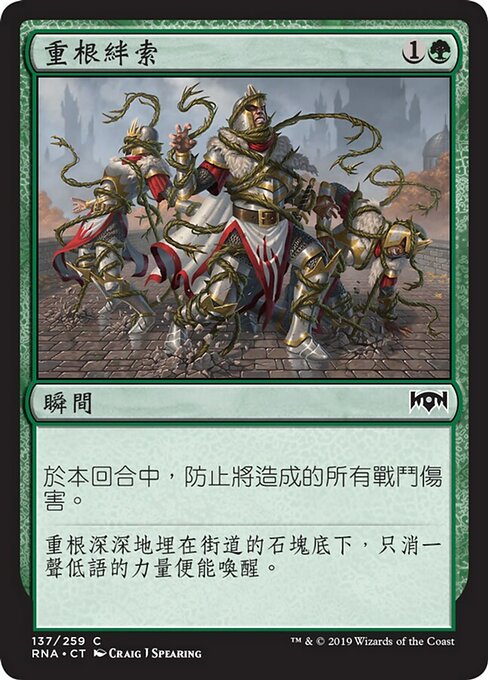 Shared character: 索
Root Snare
重根绊索
Shared character: 索
Root Snare
重根绊索
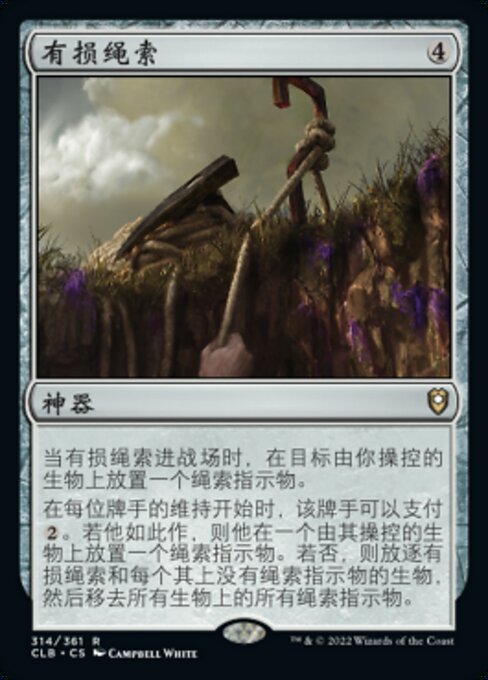 Shared character: 索
Fraying Line
有損繩索
Shared character: 索
Fraying Line
有損繩索
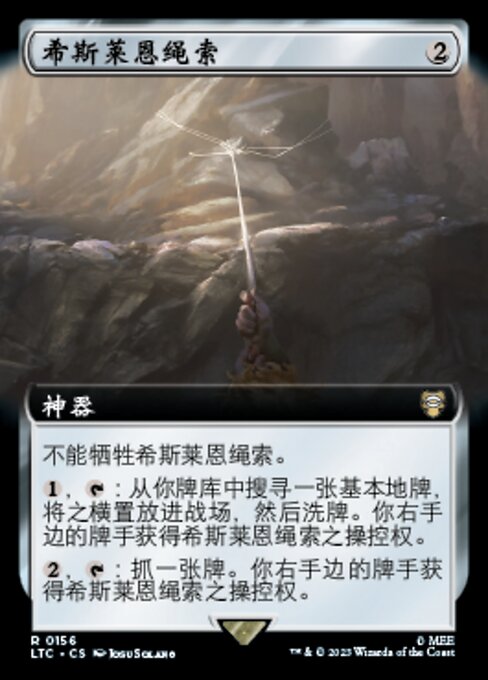 Shared character: 索
Hithlain Rope
希斯莱恩绳索
Shared character: 索
Hithlain Rope
希斯莱恩绳索
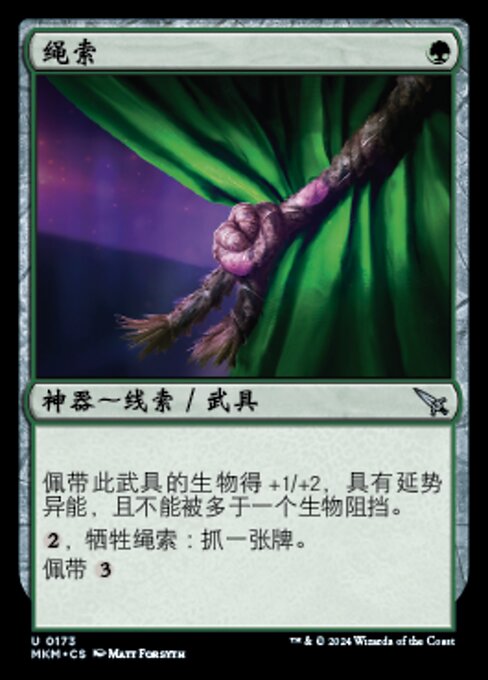 Shared character: 索
Rope
绳索
Shared character: 索
Rope
绳索
 Shared character: 索
Seeker
探索者
Shared character: 索
Seeker
探索者
 Shared character: 绊
Spirit Link
心灵羁绊
Shared character: 绊
Spirit Link
心灵羁绊
 Apothecary Initiate
 Armored Ascension
 Ballynock Cohort
 Barrenton Medic
 Boon Reflection
 Goldenglow Moth
 Greater Auramancy
 Inquisitor's Snare