
Chinese Card Identity Explorer
Ali Baba — 阿里巴巴
Explore Ali Baba in Chinese across 1 printings and 1 sets, with Traditional and Simplified Chinese versions, card text, artwork and release details.
- 1Total Chinese printings
- 1ZHTTraditional Chinese
- 0ZHSSimplified Chinese
- 1Sets
- 1995Chinese history
Card overview
- Mana cost
- {R}
- Card type
- Creature — Human Rogue
- Latest rarity
- Uncommon
Oracle text
{R}: Tap target Wall.
Flavor text
“当他到达那个大山洞的入口时,他断然说出,‘芝麻开门!’”\n阿拉伯之夜,Junior Classics trans.
Chinese printing milestones
These milestones are calculated from the Chinese printings currently recorded in the CTG database.
ZHT
阿里巴巴
ZHS
—
Chinese names and language variants
The same Magic card may have different printed names or wording between Traditional and Simplified Chinese editions. The versions below preserve the name and text printed on each physical card.
Traditional Chinese
阿里巴巴
Simplified Chinese
No Simplified Chinese printed name recorded.
Traditional Chinese name history
- 阿里巴巴 Fourth Edition Foreign Black Border (4BB)
1 distinct printed name(s) · 1 distinct printed-text version(s)
Simplified Chinese name history
No printed-name history recorded for this script.
Traditional vs Simplified Chinese
Compare matching Chinese printings by set and collector number. Missing cells indicate that the corresponding printing is not currently recorded in the database.
Fourth Edition Foreign Black Border
4BB · #175
Not recorded
Chinese printing timeline
A compact chronological view of every Traditional and Simplified Chinese printing recorded for this card identity.
Sets featuring this card in Chinese
All Chinese printings
Traditional Chinese
阿里巴巴
Ali Baba
- Collector number
- 175
- Rarity
- Uncommon
- Released
召唤阿里巴巴
Other cards with this Chinese name or character
Exact printed-name matches are shown first, followed by other Chinese card identities sharing characters with this card’s recorded Chinese names.
 Shared character: 里
Acridian
阿克里地树虫
Shared character: 里
Acridian
阿克里地树虫
 Shared character: 巴
Anaba Bodyguard
阿那巴保镖
Shared character: 巴
Anaba Bodyguard
阿那巴保镖
 Shared character: 巴
Anaba Shaman
阿那巴祭师
Shared character: 巴
Anaba Shaman
阿那巴祭师
 Shared character: 巴
Amugaba
阿穆卡巴
Shared character: 巴
Amugaba
阿穆卡巴
 Shared character: 巴
Aquamoeba
水生阿米巴
Shared character: 巴
Aquamoeba
水生阿米巴
 Shared character: 巴
Narcomoeba
梦生阿米巴
Shared character: 巴
Narcomoeba
梦生阿米巴
 Shared character: 巴
Amoeboid Changeling
阿米巴化形
Shared character: 巴
Amoeboid Changeling
阿米巴化形
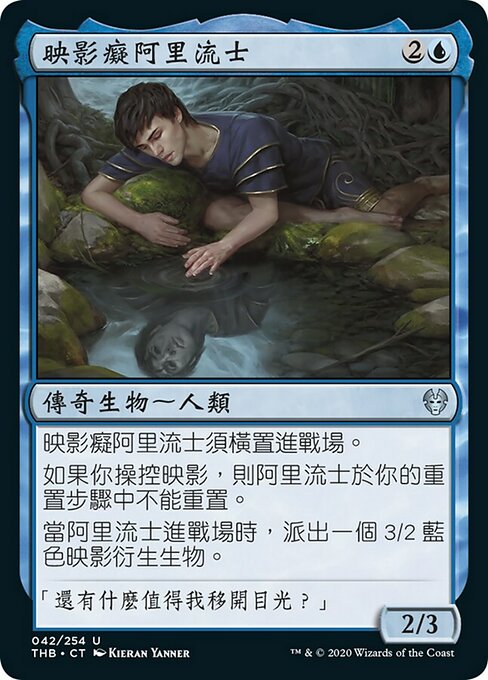 Shared character: 里
Alirios, Enraptured
映影癡阿里流士
Shared character: 里
Alirios, Enraptured
映影癡阿里流士
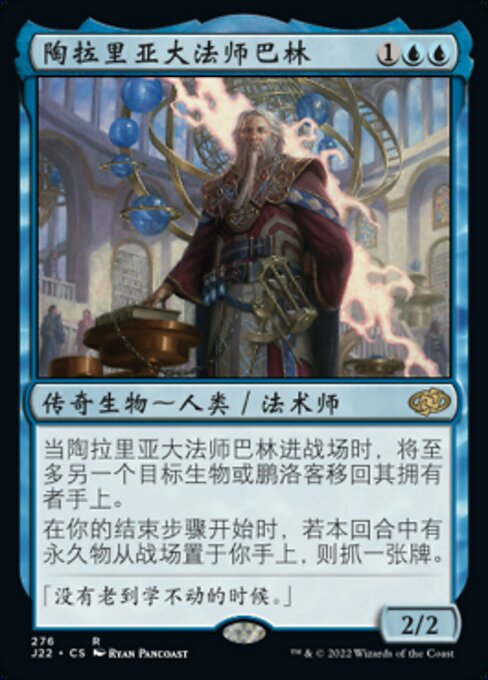 Shared character: 巴
Barrin, Tolarian Archmage
陶拉里亞大法師巴林
Shared character: 巴
Barrin, Tolarian Archmage
陶拉里亞大法師巴林
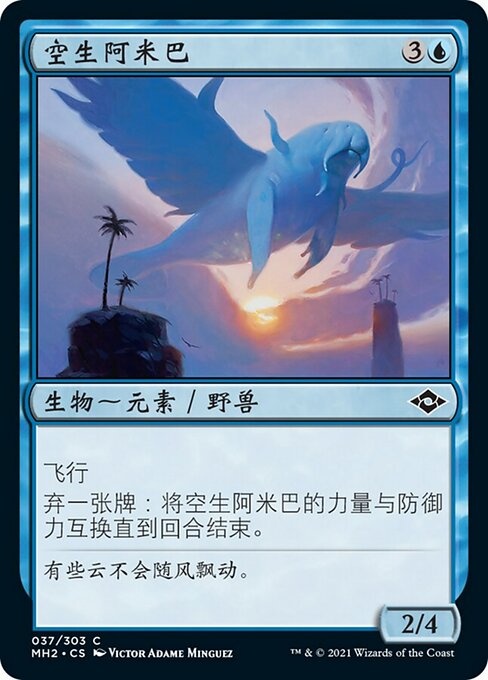 Shared character: 巴
Aeromoeba
空生阿米巴
Shared character: 巴
Aeromoeba
空生阿米巴
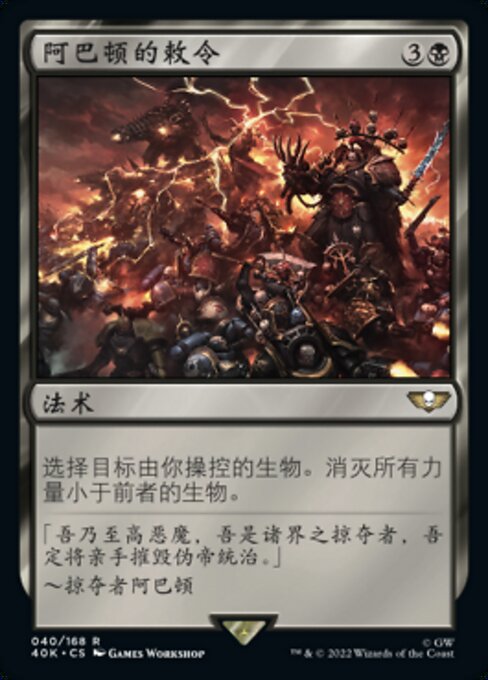 Shared character: 巴
Mandate of Abaddon
阿巴顿的敕令
Shared character: 巴
Mandate of Abaddon
阿巴顿的敕令
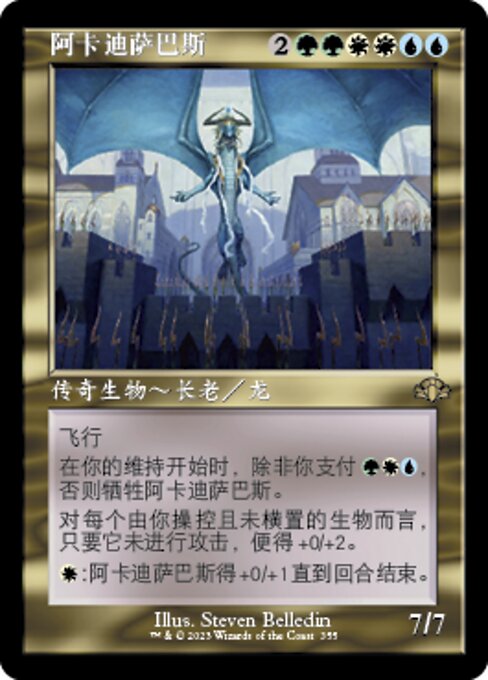 Shared character: 巴
Arcades Sabboth
阿卡迪萨巴斯
Shared character: 巴
Arcades Sabboth
阿卡迪萨巴斯
 Alabaster Potion
 Amrou Kithkin
 Angry Mob
 Animate Wall
 Armageddon
 Balance
 Benalish Hero
 Black Ward