
Chinese Card Identity Explorer
See Beyond — 远见
Explore See Beyond in Chinese across 1 printings and 1 sets, with Traditional and Simplified Chinese versions, card text, artwork and release details.
- 1Total Chinese printings
- 0ZHTTraditional Chinese
- 1ZHSSimplified Chinese
- 1Sets
- 2010Chinese history
Card overview
- Mana cost
- {1}{U}
- Card type
- Sorcery
- Latest rarity
- Common
Oracle text
Draw two cards, then shuffle a card from your hand into your library.
Flavor text
远古知识锁在疯狂心灵中,就与深埋地底下一样安全。
Chinese printing milestones
These milestones are calculated from the Chinese printings currently recorded in the CTG database.
ZHT
—
ZHS
远见
Chinese names and language variants
The same Magic card may have different printed names or wording between Traditional and Simplified Chinese editions. The versions below preserve the name and text printed on each physical card.
Traditional Chinese
No Traditional Chinese printed name recorded.
Simplified Chinese
远见
Traditional Chinese name history
No printed-name history recorded for this script.
Simplified Chinese name history
- 远见 Rise of the Eldrazi (ROE)
1 distinct printed name(s) · 1 distinct printed-text version(s)
Traditional vs Simplified Chinese
Compare matching Chinese printings by set and collector number. Missing cells indicate that the corresponding printing is not currently recorded in the database.
Rise of the Eldrazi
ROE · #86
Not recorded
Chinese printing timeline
A compact chronological view of every Traditional and Simplified Chinese printing recorded for this card identity.
Sets featuring this card in Chinese
All Chinese printings
Simplified Chinese
远见
See Beyond
- Collector number
- 86
- Rarity
- Common
- Released
法术
Other cards with this Chinese name or character
Exact printed-name matches are shown first, followed by other Chinese card identities sharing characters with this card’s recorded Chinese names.
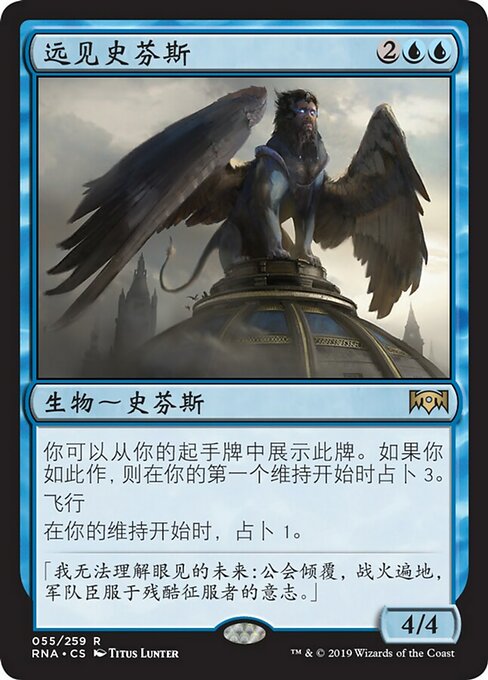 Shared character: 见
Sphinx of Foresight
远见史芬斯
Shared character: 见
Sphinx of Foresight
远见史芬斯
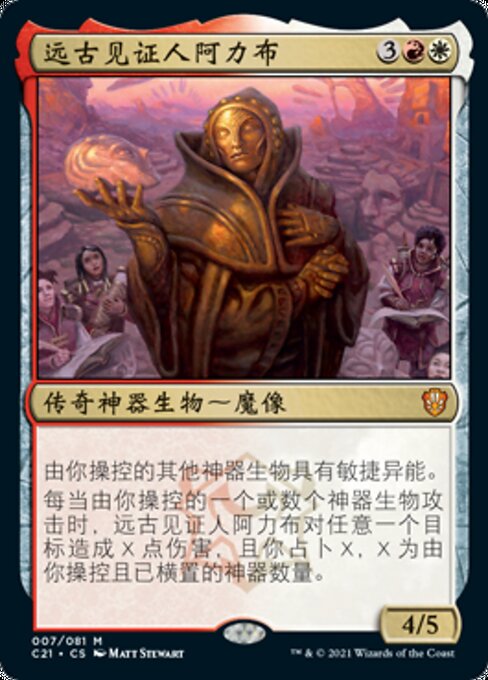 Shared character: 见
Alibou, Ancient Witness
远古见证人阿力布
Shared character: 见
Alibou, Ancient Witness
远古见证人阿力布
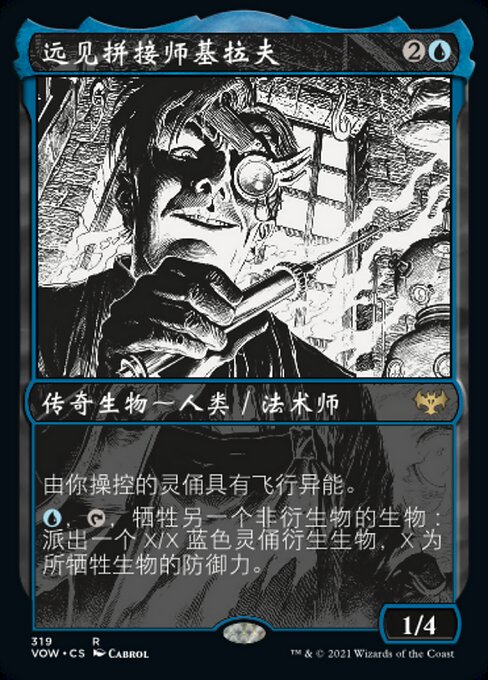 Shared character: 见
Geralf, Visionary Stitcher
远见拼接师基拉夫
Shared character: 见
Geralf, Visionary Stitcher
远见拼接师基拉夫
 Shared character: 远
Crown of the Ages
远古的冠冕
Shared character: 远
Crown of the Ages
远古的冠冕
 Shared character: 远
Pentagram of the Ages
远古的五星仪
Shared character: 远
Pentagram of the Ages
远古的五星仪
 Shared character: 远
Zhao Zilong, Tiger General
镇远将军赵云
Shared character: 远
Zhao Zilong, Tiger General
镇远将军赵云
 Shared character: 见
Devout Witness
虔诚的见证人
Shared character: 见
Devout Witness
虔诚的见证人
 Shared character: 远
Remote Farm
偏远农场
Shared character: 远
Remote Farm
偏远农场
 Shared character: 见
Bog Initiate
腐沼见习生
Shared character: 见
Bog Initiate
腐沼见习生
 Shared character: 远
Kavu Scout
远侦卡甫
Shared character: 远
Kavu Scout
远侦卡甫
 Shared character: 远
Legacy Weapon
远古神兵
Shared character: 远
Legacy Weapon
远古神兵
 Shared character: 远
Far Wanderings
远地遨游
Shared character: 远
Far Wanderings
远地遨游
 All Is Dust
 Artisan of Kozilek
 Eldrazi Conscription
 Emrakul, the Aeons Torn
 Hand of Emrakul
 Kozilek, Butcher of Truth
 It That Betrays
 Not of This World