
Chinese Card Identity Explorer
Lifegift — 生机献礼
Explore Lifegift in Chinese across 1 printings and 1 sets, with Traditional and Simplified Chinese versions, card text, artwork and release details.
- 1Total Chinese printings
- 0ZHTTraditional Chinese
- 1ZHSSimplified Chinese
- 1Sets
- 2005Chinese history
Card overview
- Mana cost
- {2}{G}
- Card type
- Enchantment
- Latest rarity
- Rare
Oracle text
Whenever a land enters, you may gain 1 life.
Flavor text
「在世间漫游,能发掘真我;而探索真我,能找到世界。」\n~梓纱的日记
Chinese printing milestones
These milestones are calculated from the Chinese printings currently recorded in the CTG database.
ZHT
—
ZHS
生机献礼
Chinese names and language variants
The same Magic card may have different printed names or wording between Traditional and Simplified Chinese editions. The versions below preserve the name and text printed on each physical card.
Traditional Chinese
No Traditional Chinese printed name recorded.
Simplified Chinese
生机献礼
Traditional Chinese name history
No printed-name history recorded for this script.
Simplified Chinese name history
- 生机献礼 Betrayers of Kamigawa (BOK)
1 distinct printed name(s) · 1 distinct printed-text version(s)
Traditional vs Simplified Chinese
Compare matching Chinese printings by set and collector number. Missing cells indicate that the corresponding printing is not currently recorded in the database.
Betrayers of Kamigawa
BOK · #132
Not recorded
Chinese printing timeline
A compact chronological view of every Traditional and Simplified Chinese printing recorded for this card identity.
Sets featuring this card in Chinese
All Chinese printings
Simplified Chinese
生机献礼
Lifegift
- Collector number
- 132
- Rarity
- Rare
- Released
结界
Other cards with this Chinese name or character
Exact printed-name matches are shown first, followed by other Chinese card identities sharing characters with this card’s recorded Chinese names.
 Shared character: 献
Divine Offering
圣洁的献礼
Shared character: 献
Divine Offering
圣洁的献礼
 Shared character: 机
Fecundity
生机盎然
Shared character: 机
Fecundity
生机盎然
 Shared character: 机
Living Wish
生机祈愿
Shared character: 机
Living Wish
生机祈愿
 Shared character: 机
Vitality Charm
生机护符
Shared character: 机
Vitality Charm
生机护符
 Shared character: 机
Root Elemental
生机元素
Shared character: 机
Root Elemental
生机元素
 Shared character: 机
Lifespark Spellbomb
生机咒击弹
Shared character: 机
Lifespark Spellbomb
生机咒击弹
 Shared character: 机
Leyline of Lifeforce
生机地脉
Shared character: 机
Leyline of Lifeforce
生机地脉
 Shared character: 献
Gift of Granite
花岗岩献礼
Shared character: 献
Gift of Granite
花岗岩献礼
 Shared character: 献
Blood Tribute
鲜血献礼
Shared character: 献
Blood Tribute
鲜血献礼
 Shared character: 献
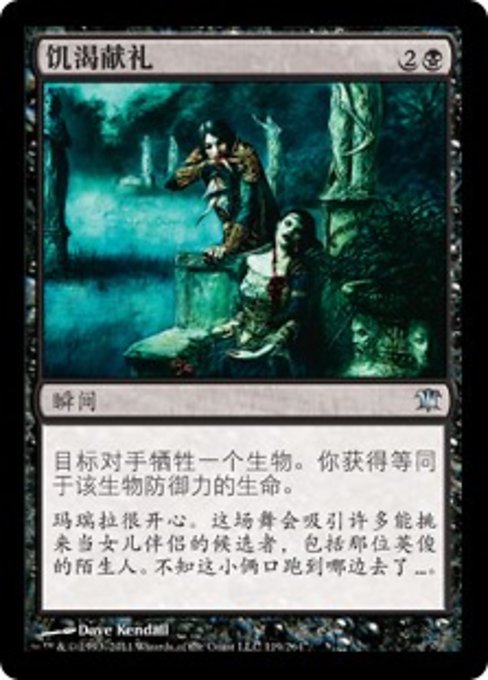
Tribute to Hunger
饥渴献礼
Shared character: 献
Tribute to Hunger
饥渴献礼
 Shared character: 机
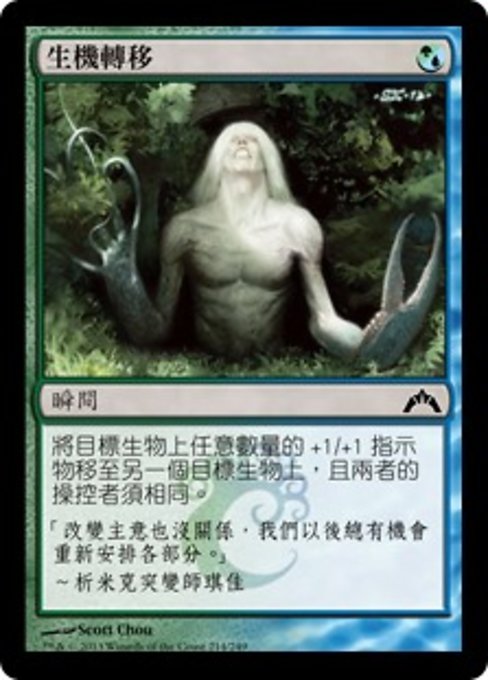
Bioshift
生機轉移
Shared character: 机
Bioshift
生機轉移
 Shared character: 机
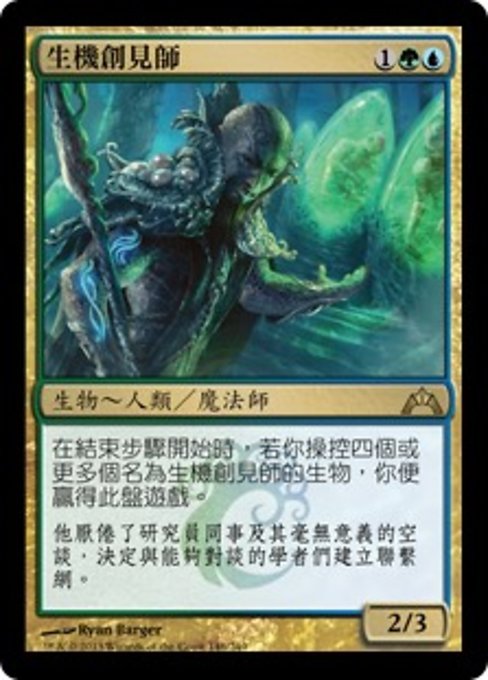
Biovisionary
生機創見師
Shared character: 机
Biovisionary
生機創見師
 Day of Destiny
 Empty-Shrine Kannushi
 Final Judgment
 Genju of the Fields
 Heart of Light
 Hokori, Dust Drinker
 Hundred-Talon Strike
 Indebted Samurai