
Chinese Card Identity Explorer
Lay Bare — 披露
Explore Lay Bare in Chinese across 1 printings and 1 sets, with Traditional and Simplified Chinese versions, card text, artwork and release details.
- 1Total Chinese printings
- 0ZHTTraditional Chinese
- 1ZHSSimplified Chinese
- 1Sets
- 2010Chinese history
Card overview
- Mana cost
- {2}{U}{U}
- Card type
- Instant
- Latest rarity
- Common
Oracle text
Counter target spell. Look at its controller's hand.
Flavor text
「从你的失败中学习是很不错,但我更想从别人的失误中学习。」\n~杰斯贝连
Chinese printing milestones
These milestones are calculated from the Chinese printings currently recorded in the CTG database.
ZHT
—
ZHS
披露
Chinese names and language variants
The same Magic card may have different printed names or wording between Traditional and Simplified Chinese editions. The versions below preserve the name and text printed on each physical card.
Traditional Chinese
No Traditional Chinese printed name recorded.
Simplified Chinese
披露
Traditional Chinese name history
No printed-name history recorded for this script.
Simplified Chinese name history
- 披露 Rise of the Eldrazi (ROE)
1 distinct printed name(s) · 1 distinct printed-text version(s)
Traditional vs Simplified Chinese
Compare matching Chinese printings by set and collector number. Missing cells indicate that the corresponding printing is not currently recorded in the database.
Rise of the Eldrazi
ROE · #74
Not recorded
Chinese printing timeline
A compact chronological view of every Traditional and Simplified Chinese printing recorded for this card identity.
Sets featuring this card in Chinese
All Chinese printings
Simplified Chinese
披露
Lay Bare
- Collector number
- 74
- Rarity
- Common
- Released
瞬间
Other cards with this Chinese name or character
Exact printed-name matches are shown first, followed by other Chinese card identities sharing characters with this card’s recorded Chinese names.
 Shared character: 披
Cloak of Mists
迷雾披风
Shared character: 披
Cloak of Mists
迷雾披风
 Shared character: 披
Keldon Mantle
凯尔顿披风
Shared character: 披
Keldon Mantle
凯尔顿披风
 Shared character: 露
Ray of Revelation
揭露之光
Shared character: 露
Ray of Revelation
揭露之光
 Shared character: 披
Paradise Mantle
天堂羽披风
Shared character: 披
Paradise Mantle
天堂羽披风
 Shared character: 露
Tibor and Lumia
提柏与露米亚
Shared character: 露
Tibor and Lumia
提柏与露米亚
 Shared character: 披
Mantle of Leadership
领袖披风
Shared character: 披
Mantle of Leadership
领袖披风
 Shared character: 露
Dewdrop Spy
露珠探子
Shared character: 露
Dewdrop Spy
露珠探子
 Shared character: 披
Umbral Mantle
暗影披风
Shared character: 披
Umbral Mantle
暗影披风
 Shared character: 披
Celestial Mantle
天界披风
Shared character: 披
Celestial Mantle
天界披风
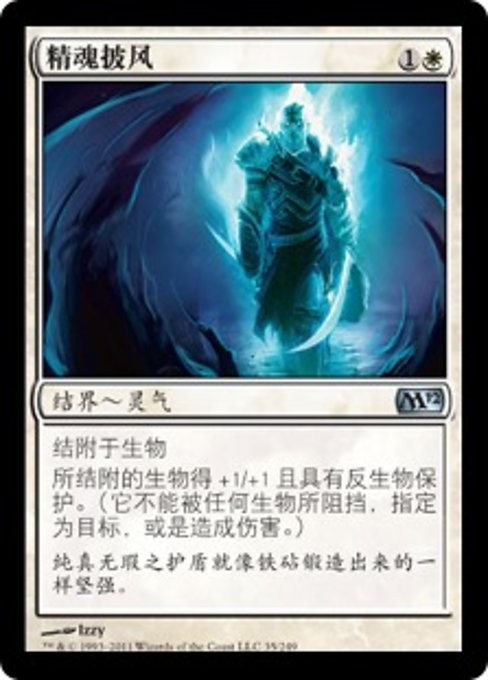 Shared character: 披
Spirit Mantle
精魂披风
Shared character: 披
Spirit Mantle
精魂披风
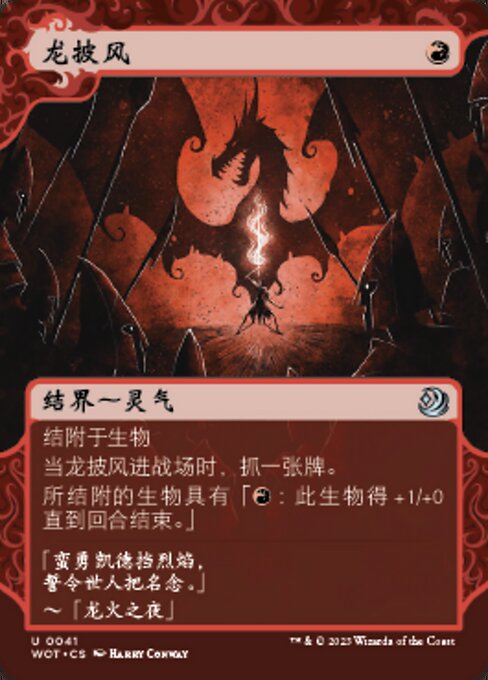 Shared character: 披
Dragon Mantle
龙披风
Shared character: 披
Dragon Mantle
龙披风
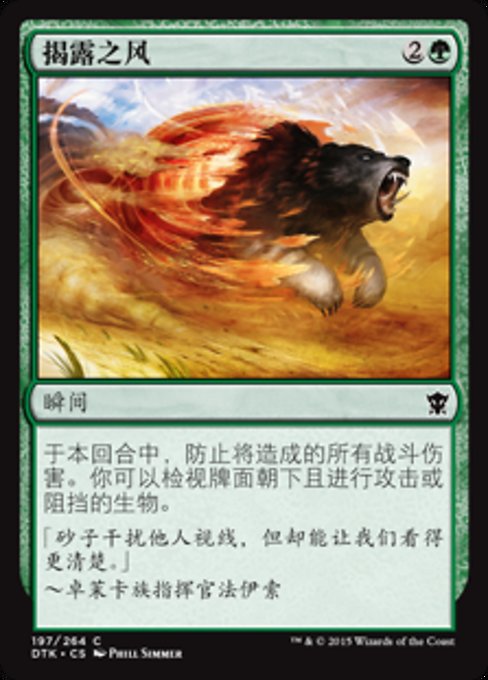 Shared character: 露
Revealing Wind
揭露之风
Shared character: 露
Revealing Wind
揭露之风
 All Is Dust
 Artisan of Kozilek
 Eldrazi Conscription
 Emrakul, the Aeons Torn
 Hand of Emrakul
 Kozilek, Butcher of Truth
 It That Betrays
 Not of This World